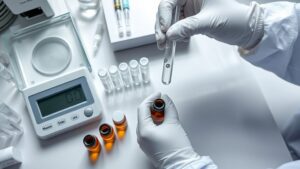
How to Verify CBD Potency Instead of Trusting the Front Label
Not all “CBD” claims are real—verify the bottle’s lot-specific COA from an accredited lab by comparing THC/CBD results to the front label.

Not all “CBD” claims are real—verify the bottle’s lot-specific COA from an accredited lab by comparing THC/CBD results to the front label.

The hemp you source can shift CBD consistency through cultivar, soil, and contamination controls, so read on to see how to prevent batch drift.

F**inding cannabinoid synergy means effects exceed expected additivity via receptor interactions, but unraveling how and why can change everything you think you know.
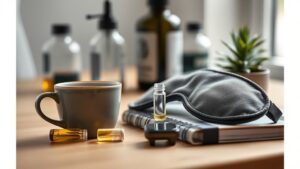
Uncover how CBD research tracks stress, sleep, and relaxation using validated scales, cortisol and HRV, plus actigraphy, to reveal what controlled timing can change.
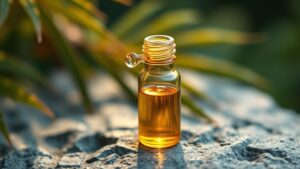
A high-quality full-spectrum hemp extract proves itself with a clear COA, broad cannabinoids/terpenes, and compliant trace THC—keep reading to spot red flags.
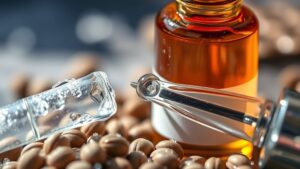
Sure, “less than 0.3% THC” isn’t a THC-free promise—it’s a regulatory threshold, and traces can vary by batch and testing, so read on.
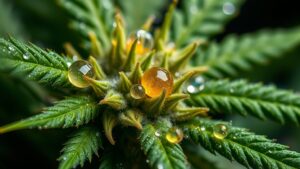
Packed into whole-plant hemp extracts, terpenes can modulate cannabinoid signaling and absorption—so choosing the right profile could change your results, but how?

W**hen your CBD lab report batch number, product identifiers, and testing dates don’t line up with your received lot records, stop and verify—read on.
Not all CBD absorption is calorie-neutral—high-fat meals can slow gastric emptying and alter bile-driven micelles, changing exposure hours later.
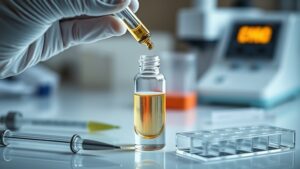
A smart way to check CBD for pesticides and heavy metals: match lot/date to lab reports and verify real lead, cadmium, arsenic, and mercury results to proceed.