What Residual Solvent Testing Means for CBD Consumers
Focusing on residual solvent testing, you’ll learn how to read CBD COAs for hidden ethanol or butane, so you can decide what’s truly safe.

Focusing on residual solvent testing, you’ll learn how to read CBD COAs for hidden ethanol or butane, so you can decide what’s truly safe.
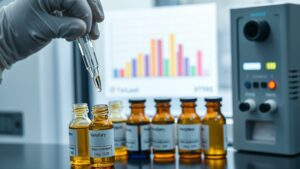
How CBD potency testing works in a laboratory—starting from homogenization and extraction through HPLC or GC-MS, you’ll see how results are verified and reported with strict controls.
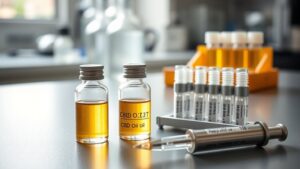
Nail down a real COA from an independent lab, confirm the batch number, and scrutinize mg/percent potency plus measured contaminants—then keep reading for what to catch.
A smart way to check CBD for pesticides and heavy metals: match lot/date to lab reports and verify real lead, cadmium, arsenic, and mercury results to proceed.
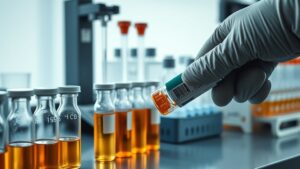
M**ore than “100% natural” hype, third-party CBD testing verifies potency and contaminants—so you know what you’re getting and why it matters.