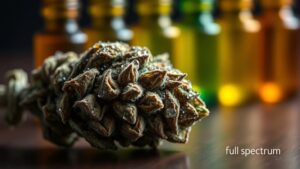
Why Trace Cannabinoids Are Part of the Full-Spectrum Story
Glancing past trace cannabinoids misses how tiny shifts can re-tune CB1/CB2 signaling—so the full-spectrum story may hinge on what’s barely there.

Glancing past trace cannabinoids misses how tiny shifts can re-tune CB1/CB2 signaling—so the full-spectrum story may hinge on what’s barely there.

W**hile others wait to “feel” CBD, researchers map CB1/CB2 binding, downstream signaling, and endocannabinoid shifts—then test in animals to confirm relevance.

P**roduct transparency matters for long-term CBD use because batch-specific COAs verify potency and contaminants—without them, you can’t trust your dosing.
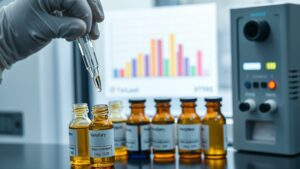
How CBD potency testing works in a laboratory—starting from homogenization and extraction through HPLC or GC-MS, you’ll see how results are verified and reported with strict controls.
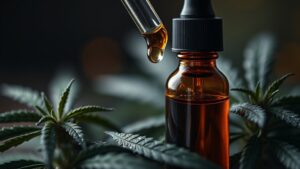
S**elect full-spectrum CBD isn’t just CBD—it includes other cannabinoids and terpenes that may change effects and risks, so read on to learn how.
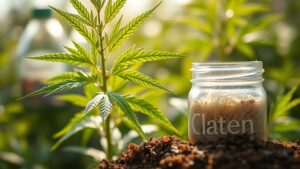
Unravel what “organic hemp” guarantees—and what it doesn’t—so you can spot missing tests and uncertain results before trusting the bottle.
IIf you wonder how cannabidiol works differently from THC, it may feel steadier and less intoxicating—because it shifts signaling, not directly triggering CB1.

Understanding batch-specific testing beats generic lab reports by tying results to lot, controls, and conditions for traceable root-cause answers when deviations occur.

I nconsistent CBD study designs—product type, dosing, route, duration, and endpoints—can shift exposure and results, making conclusions diverge and raising new questions.
Owing to its whole-plant extraction that preserves cannabinoids and terpenes, full-spectrum CBD may harness the entourage effect—discover what that means.