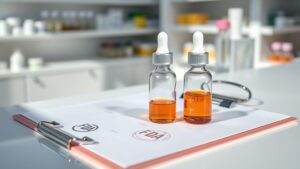
What the FDA Has and Has Not Approved CBD For
D**on’t assume CBD is FDA-approved for supplements or foods—only specific prescriptions like Epidiolex are approved, and others may be illegal.

D**on’t assume CBD is FDA-approved for supplements or foods—only specific prescriptions like Epidiolex are approved, and others may be illegal.
Know how CBD cleared by CYP2C19/CYP3A4 can affect drug metabolism and raise ALT/AST, so you’ll need labs and watch risky combinations.
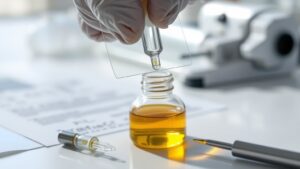
A savvy way to spot a trustworthy CBD COA is to verify batch, accreditation, methods, and clear THC/potency results—before you trust the label.
Unraveling how CBD modulates serotonin receptors like 5-HT1A and 5-HT2A suggests dose- and timing-dependent mood effects—but the full mechanism remains unresolved.
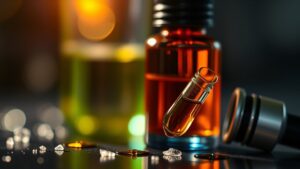
Uncover why cannabinoid ratios in full-spectrum products shape receptor activity and effects—so your next label check could change everything.
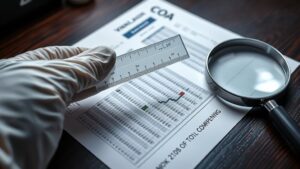
Puzzled by “total THC” on a COA? Learn how to decode cannabinoids, units, ND/LOQ, and Δ9‑THC thresholds before problems hide in plain sight.
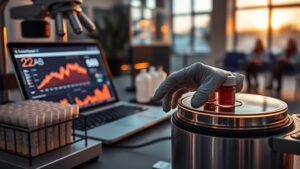
Owing to limited small trials, larger human studies reduce uncertainty in CBD safety and efficacy, enabling clearer dose–response and rarer side-effect detection.
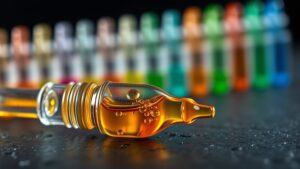
M**ore than genetics and harvest timing, extraction and volatility skew terpene peak areas—so two hemp batches can look unlike each other, and lab verification matters.
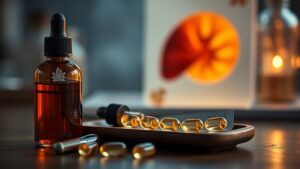
Lurking in “natural” CBD, liver-enzyme inhibition can raise levels of certain medications—find out which drugs and safeguards matter most.
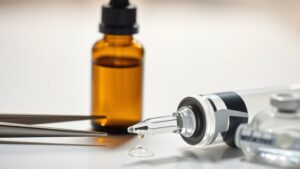
Focusing on residual solvent testing, you’ll learn how to read CBD COAs for hidden ethanol or butane, so you can decide what’s truly safe.