
Like a quiet hand guiding circulation, compression socks can help you feel better when your feet and legs work overtime. In 2027, you’ll find upgraded fabrics, breathable support, and targeted compression made for nurses, travelers, and athletes. But with options ranging from mild to 20–30 mmHg, you can’t just pick the first pair you see. Stick around, and you’ll get a clear shortlist of seven choices and what each one does best.
Great Points
- Select socks by compression level: 15–20 mmHg for daily comfort, 20–30 mmHg for varicose veins or recovery support.
- Prioritize graduated compression that’s tightest at the ankle to promote circulation upward through the leg.
- Choose breathable, moisture-wicking nylon/spandex blends to reduce heat, sweat, and odor during long shifts or travel.
- Ensure correct sizing by measuring the calf at its thickest point for effective pressure and reduced fatigue.
- Look for comfort features like seamless toes, soft bands, and strong elasticity for all-day wear and durability.
| Fenglaoda Compression Socks for Nurses (6 Pairs) | 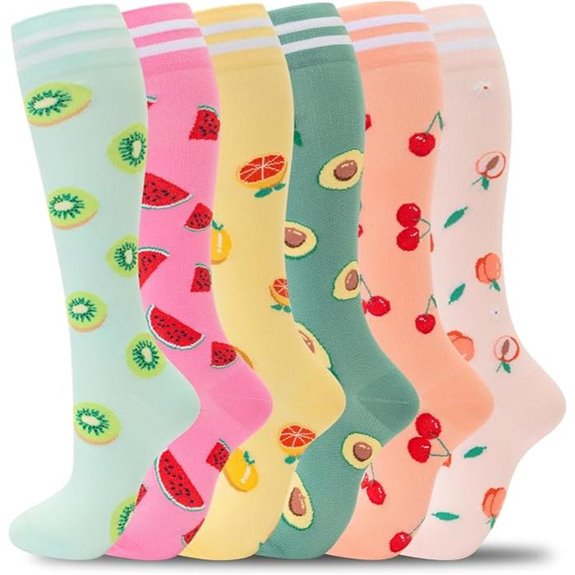 | All-Day Nurse Support | Compression level: Moderate pressure (not specified mmHg) | Graduated support: Yes (compression distributed upward) | Moisture-wicking / breathable: Yes (breathable, moisture-wicking) | VIEW LATEST PRICE | Read Our Analysis |
| BLITZU Calf Compression Sleeves Footless Compression Socks for Men & Women | 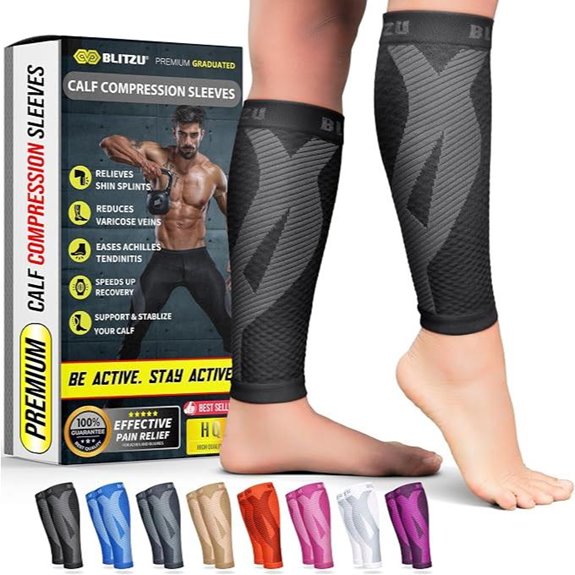 | Patented Kinesiology Fit | Compression level: Graduated compression (medical-grade; mmHg not stated) | Graduated support: Yes (graduated compression for circulation) | Moisture-wicking / breathable: Yes (moisture-wicking, breathable fabric) | VIEW LATEST PRICE | Read Our Analysis |
| Compression Socks for Women and Men,15-20 mmHg Support(3 Pairs) | 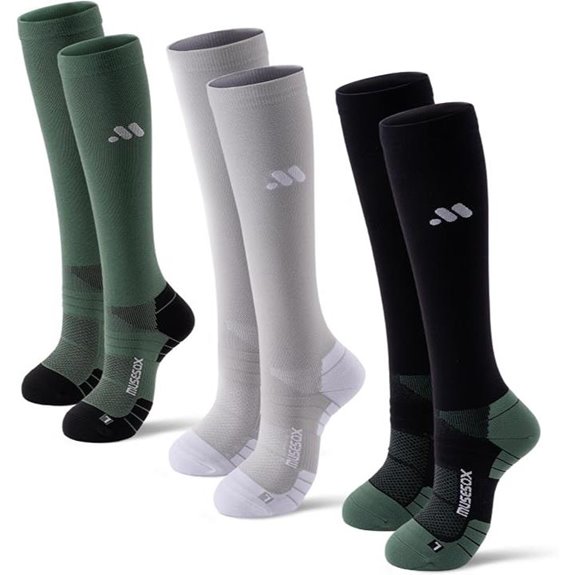 | Best Light-Med Compression | Compression level: 15–20 mmHg | Graduated support: Yes (strongest at ankles, decreasing upward) | Moisture-wicking / breathable: Yes (mesh panels, rapid-dry) | VIEW LATEST PRICE | Read Our Analysis |
| 4 Pairs Compression Socks for Women Best Support | 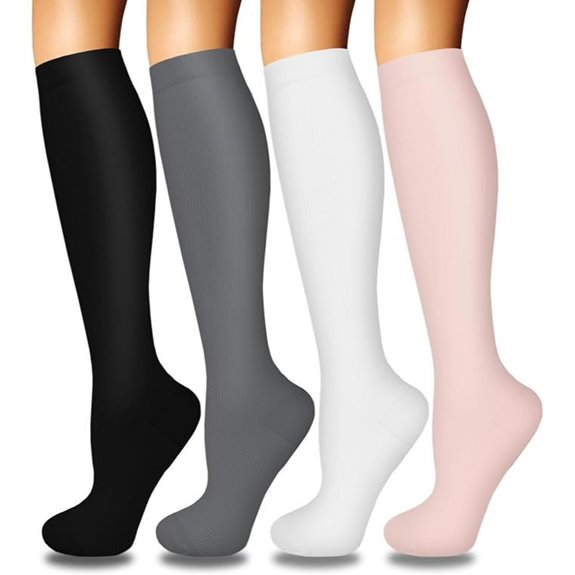 | Best for Long Shifts | Compression level: Not specified (medical compression; mmHg not stated) | Graduated support: Yes (consistent throughout the day) | Moisture-wicking / breathable: Yes (soft, breathable) | VIEW LATEST PRICE | Read Our Analysis |
| FITRELL Compression Socks 20-30mmHg Circulation Support | 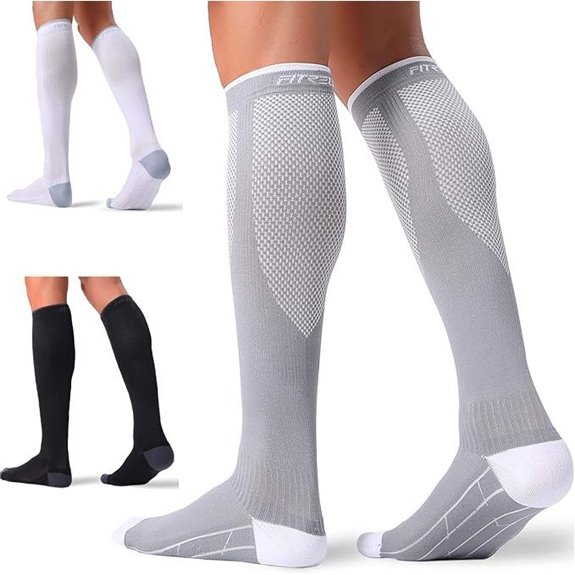 | Best Performance Recovery | Compression level: 20–30 mmHg | Graduated support: Yes (engineered for venous flow) | Moisture-wicking / breathable: Yes (moisture-wicking & mesh breathability) | VIEW LATEST PRICE | Read Our Analysis |
| LEVSOX 20-30mmHg Cotton Compression Knee High Socks | 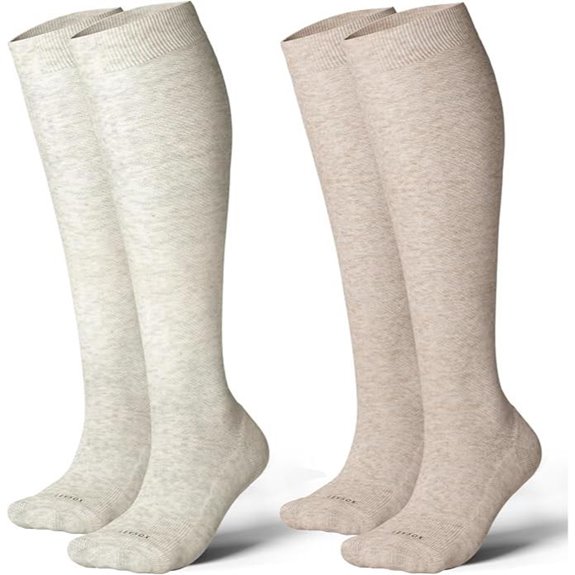 | Best Cotton Comfort | Compression level: 20–30 mmHg | Graduated support: Yes (ankle-to-calf pressure) | Moisture-wicking / breathable: Not stated (cotton comfort; no explicit moisture-wicking claim) | VIEW LATEST PRICE | Read Our Analysis |
| Aoliks Compression Socks for Women and Men 4 Pairs Mild Support | 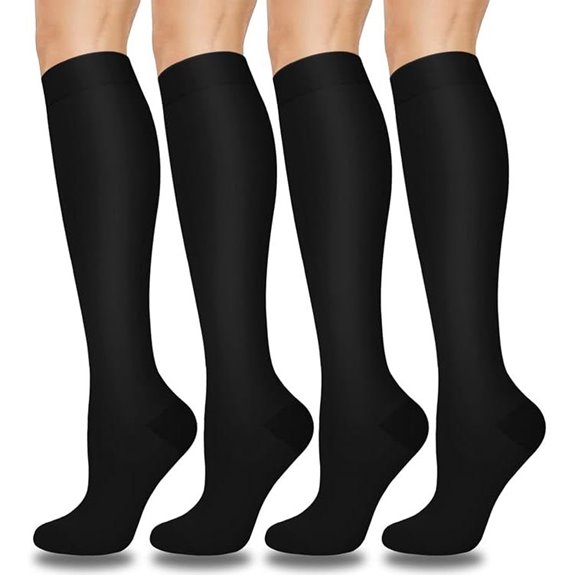 | Best Mild Support Pick | Compression level: 15–20 mmHg | Graduated support: Yes (graduated compression promotes circulation) | Moisture-wicking / breathable: Yes (breathable, keeps feet dry) | VIEW LATEST PRICE | Read Our Analysis |
More Details on Our Top Picks
Fenglaoda Compression Socks for Nurses (6 Pairs)
If you’re on your feet all day, Fenglaoda compression socks deliver all-day nurse support. You get 6 pairs built for nurses, travel, and flights, using 97% polyester and 3% spandex for a flexible, secure feel. The compression distributes efficiently to support circulation while you work continuously. Anti-fatigue technology applies moderate pressure, easing leg fatigue so you stay energized and focused. You’ll also appreciate the breathable, moisture-wicking fabric that keeps legs fresh and dry. Machine wash them for easy care, and enjoy a striped style that blends fashion with health. Imported and long-lasting.
- Compression level:Moderate pressure (not specified mmHg)
- Graduated support:Yes (compression distributed upward)
- Moisture-wicking / breathable:Yes (breathable, moisture-wicking)
- Comfort design:All-day comfort, anti-fatigue support
- Use cases:Nurses, travel, flight
- Material type (blend):97% polyester, 3% spandex
- Additional Feature:Striped design
- Additional Feature:Efficient compression distribution
- Additional Feature:Anti-fatigue moderate pressure
BLITZU Calf Compression Sleeves Footless Compression Socks for Men & Women
BLITZU calf compression sleeves deliver patented kinesiology fit support to help both men and women stay comfortable. You get graduated compression that improves blood circulation, reduces swelling, and eases discomfort from varicose veins and pregnancy-related leg swelling. You also benefit from pain relief for shin splints, muscle soreness, and leg cramps, supporting recovery and performance.
Made from 85% nylon and 15% spandex, they wick moisture to prevent overheating. Seamless, non-slip construction stays in place all day. Measure the thickest part of your calf and follow the sizing chart—size up for a looser fit, size down for tighter compression.
- Compression level:Graduated compression (medical-grade; mmHg not stated)
- Graduated support:Yes (graduated compression for circulation)
- Moisture-wicking / breathable:Yes (moisture-wicking, breathable fabric)
- Comfort design:Seamless, non-slip, all-day comfort
- Use cases:Pregnancy, running, nursing, long standing/sitting, travel
- Material type (blend):85% nylon, 15% spandex
- Additional Feature:Patented kinesiology strips
- Additional Feature:Seamless non-slip construction
- Additional Feature:Calf-swell/varicose relief
Compression Socks for Women and Men,15-20 mmHg Support(3 Pairs)
These unisex 15–20 mmHg socks deliver light-med compression built for both women and men. You get 3 pairs with a regular fit, sized by calf: S 9–11in, M 11–14in, L 14–16in, XL 16–18in—if you’re between sizes, choose larger for comfort. The graduated compression hits hardest at your ankles and eases upward to reduce fatigue, stiffness, and swelling. You’ll appreciate the nylon-spandex blend with rapid-dry moisture-wicking, plus mesh airflow. L/R labels, a seamless toe, elastic arch, reinforced cushioning, and 3D heel support improve recovery for travel, work, workouts, and nursing.
- Compression level:15–20 mmHg
- Graduated support:Yes (strongest at ankles, decreasing upward)
- Moisture-wicking / breathable:Yes (mesh panels, rapid-dry)
- Comfort design:Seamless toe, elastic arch, 3D heel support
- Use cases:Running, cycling, gym, travel, nursing, pregnancy, recovery
- Material type (blend):68% nylon, 19% spandex, 13% polyester
- Additional Feature:Mesh panels airflow
- Additional Feature:3D heel support
- Additional Feature:L/R foot labels
4 Pairs Compression Socks for Women Best Support
For long shifts, Iseasoo’s 4 Pairs Compression Socks for Women help reduce swelling and support circulation. You’ll enjoy soft, breathable, flexible comfort made from 85% nylon and 15% polyester. The wide top comfort band stays put, so it won’t pinch or roll down while you work, travel, or move all day. With graduated compression, the socks deliver consistent support to help improve circulation and relieve varicose veins. Choose your size for a snug fit that won’t leave marks. Use them for running, sports, pregnancy, the gym, or flights. You also get hassle-free exchanges.
- Compression level:Not specified (medical compression; mmHg not stated)
- Graduated support:Yes (consistent throughout the day)
- Moisture-wicking / breathable:Yes (soft, breathable)
- Comfort design:Soft/flexible, comfort top band
- Use cases:Running, sports, pregnancy, work, travel
- Material type (blend):85% nylon, 15% polyester
- Additional Feature:Wide top comfort band
- Additional Feature:Medical compression socks
- Additional Feature:Hassle-free exchanges
FITRELL Compression Socks 20-30mmHg Circulation Support
FITRELL 20–30mmHg compression socks deliver graduated support for your legs’ comfort and circulation. You get a 3-pair set for women and men, made with breathable, moisture-wicking fabric (72.1% polyamide, 18.4% polyester, 9.5% spandex). The S/M fit works for 9–15 in calf size; L/XL fits 14–16 in. You’ll feel less friction thanks to a seamless toe, and added cushioning absorbs shock. Graduated compression boosts venous flow, supports your Achilles, reduces swelling, and may ease shin splints and varicose veins. Machine-wash and wear for travel, work, teaching, pregnancy, or recovery.
- Compression level:20–30 mmHg
- Graduated support:Yes (engineered for venous flow)
- Moisture-wicking / breathable:Yes (moisture-wicking & mesh breathability)
- Comfort design:Seamless toe, cushioned sole, all-day comfort
- Use cases:Running, travel, work, teaching, pregnancy, edema/medical use
- Material type (blend):72.1% polyamide, 18.4% polyester, 9.5% spandex
- Additional Feature:Cushioned sole shock absorption
- Additional Feature:Seamless toe friction relief
- Additional Feature:Risk-free satisfaction support
LEVSOX 20-30mmHg Cotton Compression Knee High Socks
LEVSOX 20–30mmHg cotton compression knee-high socks deliver best cotton comfort for nurses, pregnant people, and long-shift walkers. You get graduated compression that pressures from ankle to calf to boost circulation, reduce fatigue, and ease swelling. The blend—70% cotton, 22% nylon, 8% elastane—stays soft yet stretchy, with an extra-thick, high-elastic build. A wide cuff helps prevent circulation issues, and the thickened sole improves everyday comfort. You can machine-wash them and slide them on easily thanks to skin-friendly design. Sold in pairs, they’re made for travel and flight too.
- Compression level:20–30 mmHg
- Graduated support:Yes (ankle-to-calf pressure)
- Moisture-wicking / breathable:Not stated (cotton comfort; no explicit moisture-wicking claim)
- Comfort design:Extra thick, wide cuff, easy to remove
- Use cases:Nurses (esp.), long shifts, travel, flight, pregnancy
- Material type (blend):70% cotton, 22% nylon, 8% elastane
- Additional Feature:70% cotton blend
- Additional Feature:Thickened sole comfort
- Additional Feature:Prevent blood clots
Aoliks Compression Socks for Women and Men 4 Pairs Mild Support
Aoliks 4-pair compression socks deliver 15–20 mmHg mild support for women and men who want everyday circulation help. You get four pairs made from 85% nylon and 15% polyester, with a soft inner design that feels gentle on your toes and stays breathable. Graduated compression uses an ergonomic fit to promote circulation and reduce heavy-leg sensations. You’ll notice less swelling around legs and ankles, plus help with minor varicose veins, tired legs, and fluid retention. Wear them for standing, sitting, running, hiking, cycling, long travel, and even pregnancy.
- Compression level:15–20 mmHg
- Graduated support:Yes (graduated compression promotes circulation)
- Moisture-wicking / breathable:Yes (breathable, keeps feet dry)
- Comfort design:Soft inner design, ergonomic comfort
- Use cases:Standing/sitting, running/hiking/cycling, long travel, pregnancy
- Material type (blend):85% nylon, 15% polyester
- Additional Feature:Soft inner toe design
- Additional Feature:Fluid retention reduction
- Additional Feature:RICE recovery method
Factors to Consider When Choosing Compression Socks**
When you choose compression socks, start by matching the compression level range to your needs and making sure you get a graduated pressure fit. Look for fabric that stays breathable and stretches comfortably, then pick the right sock height and coverage for your legs. Finally, size by calf measurement (not just shoe size) so the socks stay secure without pinching or slipping.
Compression Level Range
Choosing the right compression level is the key to getting effective support without overdoing it—most socks use mmHg ratings, commonly falling into mild (15–20), moderate (20–30), and firm (30–40). If you want everyday help, pick mild compression; it helps prevent fatigue and minor swelling during long sitting or standing. For bigger issues like varicose veins, post-surgery recovery, or more noticeable swelling, go with moderate (20–30) to boost blood-flow support. If you’re dealing with severe varicose veins or chronic venous insufficiency, firm (30–40) is often prescribed to greatly improve circulation. Match the level to your health needs and lifestyle, and if you have an underlying condition, ask a healthcare professional.
Graduated Pressure Fit
To get the benefits of graduated pressure, you need a fit that matches your legs—not just the right mmHg level. Measure your calves at the thickest point, then choose the size that matches that measurement so the sock presses correctly without pinching or slipping. Graduated compression should hit hardest at your ankle and gradually ease up as it moves toward your calf; a poor fit can disrupt that pressure pattern. Use common ranges as a guide—15–20 mmHg for mild support, 20–30 mmHg for moderate to firm—but prioritize fit over numbers. If you stand or sit for long hours, correct sizing helps reduce fatigue and swelling. With consistent wear, you also support prevention of venous disorders like varicose veins and DVT.
Fabric Breathability And Stretch
Breathable fabrics like nylon and spandex blends help your feet and calves stay drier during long wear, which makes it easier to keep the graduated pressure pattern working comfortably. When you shop, look for moisture-wicking materials and ventilation so sweat doesn’t trap heat. Next, prioritize stretch: the sock should flex to accommodate different calf sizes while still delivering the right compression level. Adequate stretch helps you get a snug, supportive fit without pinching or slipping. High elasticity is equally important, because it lets the fabric maintain its shape and compression effectiveness over time. By combining breathable design with responsive stretch, you reduce overheating risks and support better leg health for active days or long sedentary sessions.
Sock Height And Coverage
Sock height determines how far the graduated compression travels up your leg, so you should match coverage to the area that needs support. You’ll find options like knee-high, thigh-high, and ankle-length, and each one targets different concerns. If you want everyday circulation help or varicose-vein prevention, choose knee-high socks since they compress from your ankle up to just below the knee. When you deal with swelling or discomfort higher up, you’ll benefit from thigh-high coverage that reaches more of your upper leg. If you only need light support, ankle-length socks work well for gentler activity or preventive travel wear. Correct height boosts comfort and effectiveness by placing compression exactly where you need it most.
Sizing And Calf Measurement
Getting the right size starts with an accurate calf measurement—because even small fit errors can reduce compression effectiveness and make socks feel uncomfortable. Wrap a flexible tape around the thickest part of your calf, keeping it snug but not constricting. Double-check the measurement (and measure both legs if you can), then use the brand’s sizing chart, which matches calf circumference to specific sizes. If you land between two sizes, you should generally choose the larger option for comfort, particularly for extended wear. Also, remember compression levels, usually listed in mmHg, can vary by sock type—so understanding your target compression helps guide the best size choice for you.
Activity And Support Needs
When you pick compression socks, you should match the support to what you’re doing each day, because running, nursing shifts, and long-haul travel all stress your legs differently. Choose compression levels based on your needs: for general use or mild swelling, 15–20 mmHg often works, while 20–30 mmHg offers stronger help for serious symptoms or recovery. You also need the right fit and size—measure your calves so the graduated compression actually enhances blood flow and reduces fatigue. For long wear during active days, prioritize moisture-wicking, breathable materials to keep heat and sweat under control. Finally, pick design features—seams, toe shape, and cuffs—that won’t rub during your specific routines.
Care Instructions And Durability
To keep compression socks working as intended, treat care and durability like part of the fit—because the fabric’s condition directly affects how well the compression supports you. Most pairs are machine washable, so you can rinse them regularly without hassle. When you shop, check fabric composition: higher nylon and spandex percentages usually mean better stretch and longer wear. Moisture-wicking fabric helps keep feet dry, which reduces odor and stress on the fibers. For everyday use, choose socks with reinforced stitching and cushioned soles that resist abrasion. After that, inspect your socks often—look for thinning, runs, or a noticeable loss of elasticity. If you catch wear early, you maintain performance and circulation support longer.
Common Questions
How Do I Measure My Calf and Ankle for Correct Sock Size?
To measure your calf and ankle for the right sock size, first sit and keep your foot flat. Measure your ankle circumference at the narrowest point, just above the ankle bone. Next, measure your calf circumference at the widest part of your lower leg. Use a flexible tape, not a ruler. Record both numbers, then match them to the brand’s size chart. If you fall between sizes, choose the larger fit.
Can Compression Socks Improve Circulation Without Medical Clearance?
Yes—compression socks can improve circulation for many people without medical clearance. Think of them like gentle squeeze on your veins, helping fluid move back toward your heart. However, you should avoid using them if you have untreated heart failure, severe peripheral artery disease, open wounds, or unexplained sudden swelling, pain, or numbness. If symptoms persist, see a clinician. Start with proper fit and wear them gradually.
How Long Should I Wear Them Each Day for Best Results?
For best results, wear your compression socks for 6–10 hours per day, starting in the morning when swelling’s lowest. If you’re just getting used to them, begin with 2–4 hours and build up over several days. Don’t sleep in them unless your clinician told you to. Remove them if you feel numbness, pain, or discoloration, and put them back on later when comfortable.
What’s the Difference Between 15–20 and 20–30 mmHg Compression?
15–20 mmHg gives mild, everyday support, helping with mild swelling, tired legs, and long sitting. 20–30 mmHg is stronger, targeting more persistent venous issues and noticeable discomfort, like varicose veins or moderate edema. If you want “better circulation” after activity, you can start with 15–20. If symptoms linger, move up—don’t ignore a doctor’s advice. Start gradual, and watch for numbness or pain.
Will Compression Socks Help Swelling During Pregnancy or Long Flights?
Yes—compression socks can help swelling during pregnancy and long flights. You’ll apply gentle, graduated pressure that improves venous return and reduces fluid pooling in your legs and ankles. Choose maternity or travel styles with proper fit and supportive bands; avoid overly tight socks that numb or leave marks. For pregnancy, wear them daily or on days you stand long. During flights, put them on before takeoff and walk when you can.
Overall
As you choose your next pair of compression socks for 2027, you’ll notice a pattern: the right compression, fit, and fabric all work together to support your circulation and comfort. Pick the level that matches your needs—whether you’re on your feet all day, traveling, or training—and prioritize breathable, moisture-wicking materials. With the top picks above, you’ll feel the difference sooner than you think, and your legs will thank you later.
One thought on “7 Best Compression Socks for 2027 That Improve Circulation”