
When you choose CBD Pure Hemp Oil, you’re choosing a classic, hemp-derived liquid format made for everyday balance—without the intoxicating effects some people associate with other cannabinoids. This CBD-forward oil is designed to work with your body’s endocannabinoid system, which helps regulate key areas like comfort, relaxation, and overall well-being. Whether you’re new to CBD or looking for a reliable staple product, it can be a simple way to add hemp-derived support to your routine.
In this article, you’ll learn how to use hemp CBD oil effectively, including how to think about strength, timing, and why starting with a lower dose can make a big difference. You’ll also discover practical guidance for matching your dosing approach to your goals—so you can feel confident using your oil consistently and responsibly.
Great Points
- CBD pure hemp oil is a classic liquid hemp extract containing CBD with minimal THC for non-intoxicating everyday use.
- It may support stress, sleep, and discomfort by interacting with the endocannabinoid system.
- Use by measuring the labeled CBD mg per serving, starting low and gradually increasing as needed.
- Common intake methods include sublingual use, mixing into food, or following the product’s directions.
- Confirm legality and safety by checking delta-9 THC limits and reviewing the COA for accurate batch testing.
What CBD Pure Hemp Oil Is and How It Works
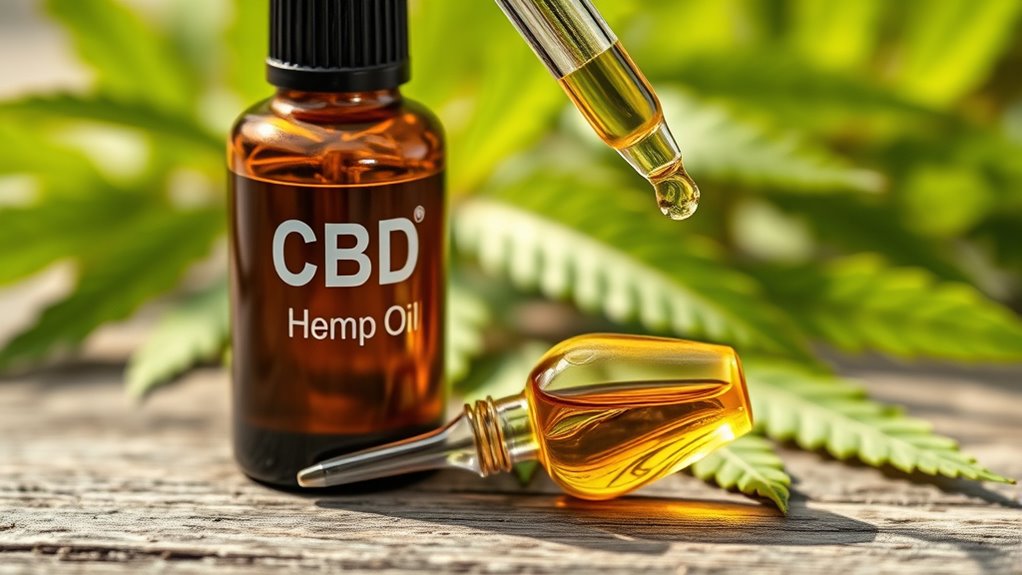
CBD pure hemp oil is a concentrated oil made from hemp that contains cannabidiol (CBD) with little to no THC, and it’s used by people to support everyday balance rather than to produce an intoxicating effect. You’re likely choosing it because CBD may interact with your endocannabinoid system, which helps regulate processes like stress response, sleep quality, and discomfort signaling. Most CBD oil is produced via hemp extraction, then refined to keep THC minimal. At typical adult doses, you generally start low and track your response, since the strength can vary by product. Cannabinoid effects aren’t one-size-fits-all: some people notice calmer feelings, others sleep support, and some feel little change. Evidence suggests CBD’s benefit depends on consistent dosing and individual physiology.
How to Use CBD Pure Hemp Oil Step by Step
Start by choosing the right product strength and dose based on the label’s mg of CBD per serving, then decide how you’ll take it (most people use a measured dropper under the tongue, by mixing into food, or as directed on the bottle). Next, follow dosage guidelines: begin with the lowest practical dose, then increase gradually every few days if needed, tracking effects and any side effects. For sublingual use, place the measured amount under your tongue, hold briefly, then swallow; this is one of the most direct application methods. If you prefer food, mix a measured dose into a meal and be consistent with timing. Take your CBD at the same time daily to judge response. If you’re on medications, check with a clinician before adjusting.
Choose the Right CBD Pure Hemp Oil Strength
What strength you pick matters because your label’s total mg of CBD per serving is what determines your starting dose and your ability to titrate safely. Start with a low dose and increase gradually every few days, aiming for symptom relief without side effects. Use the label mg per serving, not the bottle’s percentage, for accurate strength comparison and follow clear dosage guidelines.
If you’re new to CBD, choose an oil strength that makes small dose changes practical. For example, higher strengths let you reach your target with fewer drops, but they also raise the chance of overshooting if your measuring is inconsistent. If you’re sensitive or taking other meds, begin lower and titrate more slowly. Keep notes on dose, timing, and effects, then adjust based on response, not marketing.
CBD Pure Hemp Oil vs Gummies, Capsules, and Topicals
When comparing CBD Pure Hemp Oil to gummies, capsules, and topicals, the biggest difference usually comes down to how reliably you can control your dose and how that form fits your symptoms. You’ll see clear dosing differences: liquid lets you fine-tune milligrams more precisely than a gummy comparison. Capsules offer Capsule benefits with consistent dosing, while topicals target localized Topical uses and typically won’t drive systemic effect.
- Dose control: CBD oil advantages for stepwise titration.
- Absorption rates: oil often yields faster Effect onset than gummies.
- Usage preferences: gummies fit travel; capsules suit routines; topicals suit skin-only concerns.
- Patient fit: consider Flavor options and Consumer feedback to match your tolerance and adherence.
Benefits People Look for From Hemp-Derived CBD Oil
Hemp-derived CBD oil is often chosen because it lets you manage a measurable daily dose—so you can start low and titrate toward the amount that fits your needs. If you’re seeking symptom relief, you can track effects and adjust with clinical-style consistency, rather than guessing. Research suggests CBD may support pain relief, inflammation control, and anxiety reduction, especially when used consistently at tolerated doses. Many people also aim for sleep improvement, mood enhancement, and digestive support. Emerging evidence explores neuroprotection and skin health benefits, including barrier and inflammatory pathways. Look for products with clear labeling and consider discussing dosing with a clinician, especially if you take other meds.
| Goal | What you monitor |
|---|---|
| Pain relief | 1–3 hr changes |
| Anxiety reduction | daytime calm |
| Sleep improvement | sleep onset |
| Inflammation control | soreness scores |
| Mood enhancement | daily mood rating |
How to Build a Simple CBD Pure Hemp Oil Routine
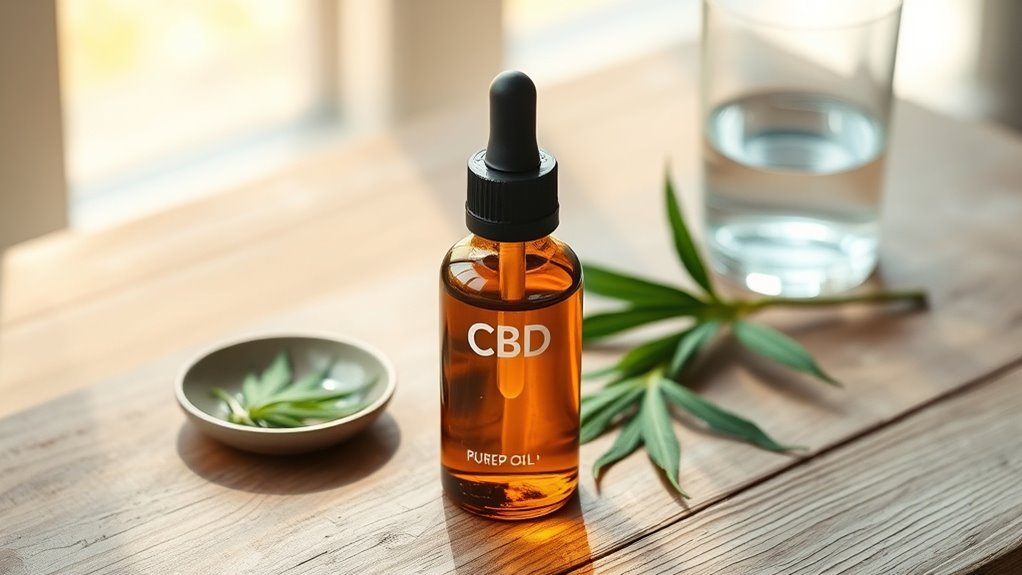
To turn those measured benefits into a day-to-day plan, you can build a simple CBD pure hemp oil routine by choosing a consistent dosing schedule and tracking how you respond. Start low, then adjust thoughtfully based on effects and any side effects, since evidence supports gradual titration rather than sudden jumps. Use the same application methods each time (like sublingual holding or mixing into food) so results stay comparable.
- Pick a dosing time (AM, PM, or both) and take your dose daily.
- Start with a conservative amount, then increase every 3–7 days if needed.
- Record routine benefits: sleep quality, calm, discomfort, and any changes.
- Reassess if you overshoot—drop back to the last comfortable dose.
What to Expect When You Start Using CBD Pure Hemp Oil
Starting CBD pure hemp oil is usually a gradual, body-by-body adjustment rather than an instant “hit,” so it’s best to expect noticeable effects only if your dose is high enough and taken consistently. As a new user, your user experience may include subtle changes in sleep quality, stress, or discomfort—often after several days to a couple of weeks. Follow dosage guidelines: start low, then increase every 3–7 days based on response, ideally using a consistent daily schedule. Be aware of potential side effects such as drowsiness, dry mouth, or appetite changes, especially at higher doses. Personal testimonials commonly report benefits for anxiety or recovery, but outcomes vary by user demographics, body weight, and baseline conditions. When comparing products, note that concentration and extraction method can shift effective dosing.
How to Read a Lab Report for CBD Pure Hemp Oil
Wondering how to read a lab report for CBD pure hemp oil? You’ll want to connect lab report terminology to dose decisions and safety. Start by locating the batch number and “COA” so you’re looking at the exact product you bought. Then, review cannabinoids and impurities using the listed testing methods, since results can vary by extraction and assay.
Start by locating the batch number and COA, then review cannabinoids and impurities to guide dosing and safety decisions.
- Cannabinoid panel: Confirm CBD concentration (mg/mL), total THC, and whether values are “per serving.”
- Potency/quantification: Check units, limits of detection, and confidence intervals if provided.
- Contaminant screens: Review heavy metals, pesticides, solvents, and microbial results.
- Purity notes: Look for residual solvents and compliance statements tied to the testing methods.
If THC is near your local threshold, dose conservatively and re-check COAs over time.
Common Mistakes to Avoid With CBD Oil Dosing
Even if your COA looks solid, dosing mistakes can quietly affect both safety and results—so always double-check the label’s serving size and mg of CBD per serving before you take anything. Many people assume “more is better,” but that’s one of the most common misconceptions; dosing should start low and match your individual tolerance and goals. Another common slip is ignoring dosage frequency—taking larger doses less often can produce less consistent effects than a planned schedule. Don’t forget product variation: two oils with similar CBD percentages can deliver different amounts due to dropper fill, viscosity, and concentration. If you adjust your dose, do it gradually and track outcomes (sleep, anxiety, pain relief). When unsure, ask a clinician, especially if you take other meds.
Is Hemp-Derived CBD Oil Legal in Your State?
Before you buy hemp-derived CBD oil, you should check your state’s hemp CBD legality rules, THC limits, and product compliance requirements, since they can differ a lot. Even if the THC level stays within the legal threshold, local regulations or program-specific restrictions may still affect what you can purchase or possess. For patient-centered dosing, verify legal eligibility first, then follow the lowest effective dose approach and adjust only with your clinician’s guidance if needed.
State Hemp CBD Legality Checks
Before you buy hemp-derived CBD oil, check your state’s current hemp-CBD rules, because legality can hinge on factors like THC limits (typically 0.3% by dry weight), whether the product is fully compliant with the federal 2018 Farm Bill, and how your state regulates labeling, age restrictions, and dispensary vs. retail sales. You’ll want to confirm hemp regulations are met, then look for state licensing requirements for manufacturers and sellers.
- Verify the label matches state requirements (mg per serving, batch/COA access).
- Confirm the store is an approved retailer or dispensary, where applicable.
- Check age limits and any “smokable” or ingestible category rules.
- Start low (e.g., 5–10 mg/day) and titrate, while staying within your state’s legal product definition.
THC Limits And Compliance Rules
Because hemp-derived CBD products are often defined by their THC content rather than CBD itself, you’ll want to verify the label against your state’s rules—most commonly the federal 2018 Farm Bill threshold of no more than 0.3% delta-9 THC by dry weight. When you shop, check the certificate of analysis (COA) for delta-9 THC, not just total THC, because THC regulations hinge on that specific measure. For patient-centered dosing, remember that even compliant products can vary: a higher-strength oil may deliver more THC per serving, so align your dose with the product’s reported mg delta-9 per dose. This helps reduce compliance challenges like batch-to-batch variation, inaccurate labeling, or missing test dates. If your COA doesn’t match the lot number, skip it and choose another brand.
Local Regulations Vary Widely
Even though hemp-derived CBD oil is broadly legal under the 2018 Farm Bill, local rules vary a lot by state, so you can’t assume every product allowed federally is permitted the same way where you live. When you’re choosing a tincture, prioritize local compliance and plan for regulatory challenges that affect labeling, THC thresholds, and where sales are allowed. Evidence and guidance from health sources emphasize matching dose to your goal and monitoring effects, regardless of legality. Still, if your state restricts serving sizes or requires specific testing, you may need a different product or a lower starting dose.
- Check your state’s hemp/CBD statute and posted THC limits.
- Verify COAs and confirm batch testing meets local compliance rules.
- Start low (e.g., 5–10 mg/day) and titrate to effect.
- Ask your clinician if you take interacting meds.
Storage, Freshness, and Shelf Life Tips for CBD Pure Hemp Oil
To keep your CBD pure hemp oil fresh, store it away from heat and direct light, and keep the bottle tightly sealed after each use. This helps protect the oil from oxidation and helps maintain the concentration you rely on when dosing. If you notice changes in smell, color, or potency, stop using it and follow the product’s labeled expiration date.
Store Away From Heat
When you store your CBD Pure Hemp Oil away from heat, you help preserve cannabinoid integrity and oil stability. Good temperature control matters because heat accelerates oil degradation and can reduce measurable CBD over time. Keep your bottle in a cool, dark cabinet, away from stoves, radiators, windows, and hot cars. If you use it consistently, your dose stays more predictable—important if you’re titrating to a target amount (e.g., 10–25 mg/day) and tracking effects. Avoid repeated warming cycles; let the oil reach room temperature before measuring.
- Aim for stable, cool temperatures.
- Keep out of direct sunlight.
- Avoid heat from appliances or vents.
- Store upright to limit exposure to headspace.
Keep Sealed For Freshness
Keeping your CBD Pure Hemp Oil tightly sealed is one of the simplest ways to protect freshness and reduce variability in your dosing. Oxygen and light can degrade cannabinoids and terpenes, so you should keep the bottle closed after each use and store it upright. If you’re using a dropper, wipe the tip before resealing to prevent moisture carryover. For best potency stability, choose products with clear labeling, and verify product sourcing and consistent extraction methods (like CO2 or ethanol processes with tested purity). Use within the period on the label, but also rely on sensory cues: darkening, off odors, or separation may signal loss of freshness. For dose accuracy, measure each serving promptly and avoid repeatedly exposing the oil to air.
Common Questions
Does CBD Pure Hemp Oil Cause Drug Test Failures?
Yes—CBD oil can cause drug test failures in some people. Even “pure” products may contain trace THC, so THC presence on standard drug testing can occur, especially at higher doses or with full-spectrum oils. Testing methods like immunoassays may flag THC; confirmatory GC/MS reduces false positives. User experiences vary: some pass, others fail. Do risk assessment, check third-party COAs, follow dosage guidance, and consider workplace policies and legal implications.
How Long Does It Take for CBD Pure Hemp Oil to Work?
It usually starts working in about 15–45 minutes, with effects peaking around 1–2 hours, though CBD onset time varies by your metabolism and how much you take. In studies, timing can shift: one data point found oral CBD can show effects within ~30 minutes for many people. If you’re new, start with a low dosage and track dosage effects over several days. Consistency matters more than chasing fast results.
Is Full-Spectrum CBD Pure Hemp Oil Detectable on Workplace Drug Screens?
Yes—full-spectrum CBD oil can be detectable on workplace drug screens, depending on your workplace policies and testing methods. Many employer urine panels look for THC, not CBD, and trace THC from full-spectrum products may reach detectable levels if dosing is high or the product’s THC content isn’t consistent. Evidence is limited, but case reports show positive results. If you’re subject to testing, discuss dosing with your clinician and choose third-party-tested low-THC options.
Can I Mix CBD Pure Hemp Oil With Alcohol or Other Supplements?
Yes, you *can* mix CBD pure hemp oil with alcohol or other supplements, but you shouldn’t assume it’s risk-free. Some theories suggest combining boosts effects—yet evidence is mixed, and cbd interactions are possible. Alcohol effects may worsen dizziness, sedation, or nausea. Start low (e.g., 5–10 mg CBD), space doses, and avoid heavy alcohol. Check supplement labels for liver-metabolism overlap. If you’re on meds or have liver issues, ask your clinician first.
What Side Effects Are Most Common With Hemp-Derived CBD Oil?
Most people with hemp-derived CBD oil report mild, common side effects: drowsiness, fatigue, dry mouth, diarrhea or stomach upset, and changes in appetite. With higher dosing recommendations, you may see dizziness or lightheadedness. Less common but important: elevated liver enzymes, especially at higher doses or with certain medications. Pay attention to potential interactions—CBD can affect drug metabolism, so talk to your clinician before combining with anticoagulants, anti-seizure meds, or alcohol.
Overall
Choosing CBD Pure Hemp Oil and dosing consistently is a simple way to support your routine—especially for stress, sleep, and everyday comfort. If you’re new to CBD, start low and build gradually (for example, 10–15 mg per day), then track what you notice in a quick log. With steady use, many people report more even, predictable feelings over time—such as falling asleep faster and experiencing less “wired” energy during the day after a couple of weeks.
Ready to try it? Review the COA before you buy, follow the label for dosing, and consider speaking with a clinician if you take any medications or have health concerns. Take the next step today: choose a quality hemp-derived CBD option and commit to a consistent trial so you can evaluate results with confidence.
One thought on “CBD Pure Hemp Oil: A Classic Liquid Format for Hemp-Derived CBD”