
Plans for fitness can be loud, but sleep improvements should be quiet; that’s where the right sleep planner changes everything. In 2027, you’ll want tools that track routines, prompt reflection, and keep your focus on mental wellbeing—not guesswork. From the Baby Daily Care Planner for newborns to adult-focused support like Pronene Optimized Sleep, you’ll see how simple logs build steadier nights and calmer mornings. Keep going—because choosing the best fit isn’t as straightforward as it seems.
Great Points
- Compare sleep planners by layout: daily logs, weekly summaries, and monthly overviews for clearer pattern spotting.
- Choose planners with clear day/night separation to better track routines and improve “wake up feeling better” consistency.
- Prioritize 60+ pages and portability (A5/compact) for extended tracking without losing important details.
- Look for sections for health notes and reflections, including goals, triggers, and adjustments based on sleep quality.
- Consider undated formats for flexibility and features that match your style, such as minimalist vs comprehensive sections.
| Baby Daily Care Planner A5 Newborn Log Book | 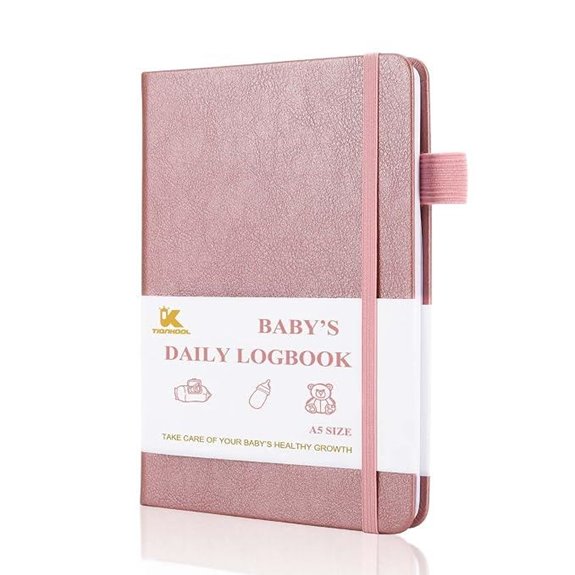 | Newborn Care Essential | A5 size: A5 logbook | 100gsm paper: 100gsm white paper | Daily tracking: Daily newborn routine tracking | VIEW LATEST PRICE | Read Our Analysis |
| Pronene Optimized Sleep Support Supplement for Adults 50 | 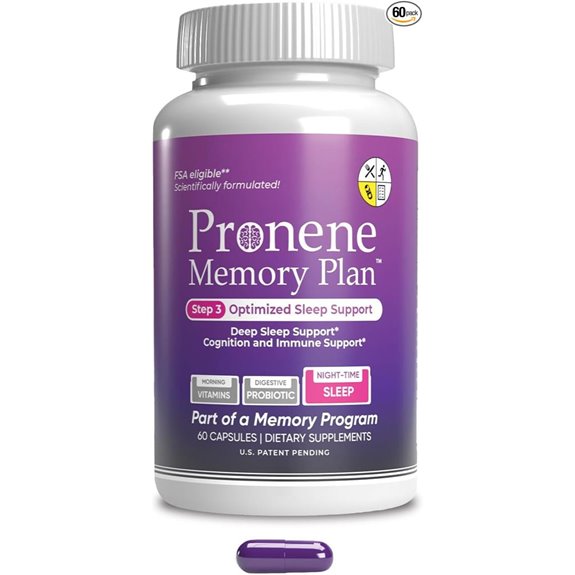 | Best Sleep Support | A5 size: Not an A5 product (supplement) | 100gsm paper: Not applicable (capsules) | Daily tracking: Daily sleep support (nightly use) | VIEW LATEST PRICE | Read Our Analysis |
| Wellness Planner Fitness Log Daily Health Journal A5 Green | 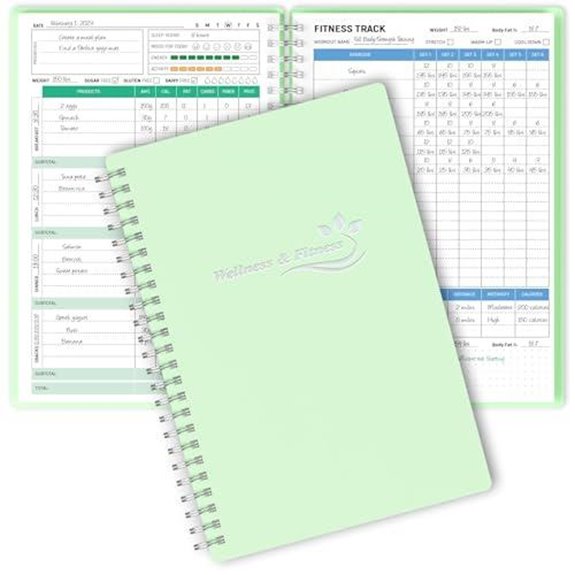 | Holistic Wellness Pick | A5 size: A5 notebook | 100gsm paper: 100gsm paper | Daily tracking: Daily health journal | VIEW LATEST PRICE | Read Our Analysis |
| Baby’s Daily Log Book for Newborn Tracking | 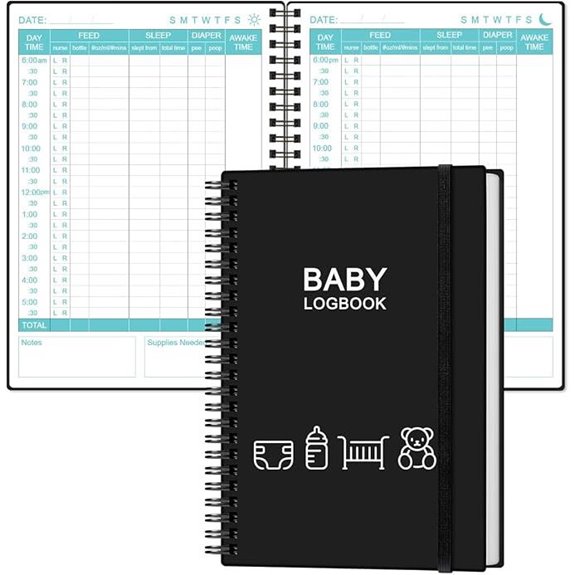 | Simple Night Tracking | A5 size: A5 baby tracking log book | 100gsm paper: 100gsm paper | Daily tracking: Daily newborn log tracking | VIEW LATEST PRICE | Read Our Analysis |
| Wellness Planner and Fitness Log A5 Notebook | 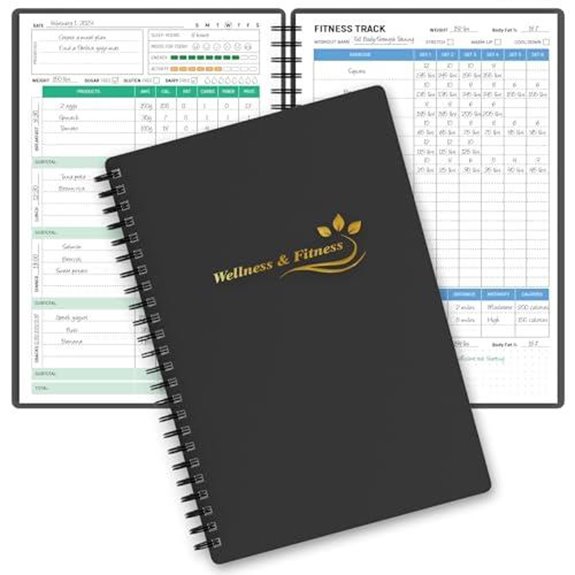 | Fitness & Health Journal | A5 size: A5 notebook | 100gsm paper: 100gsm paper | Daily tracking: Daily diet & health journal | VIEW LATEST PRICE | Read Our Analysis |
More Details on Our Top Picks
Baby Daily Care Planner A5 Newborn Log Book
For your newborn care routine, this A5 Daily Care Planner is a newborn care essential you’ll actually use. You log nursing, sleep, feeding, diapers, and activities across 152 pages. Each day gets a two-page layout: the left page covers daytime, and the right page tracks nighttime, up to 75 days. You also fill out baby info, keep important contacts, and compare height/weight over time. Smooth 100gsm white paper prevents ink bleeding, and the durable, portable A5 cover fits easily in your bag. You’ll spot patterns and revisit precious moments later.
- A5 size:A5 logbook
- 100gsm paper:100gsm white paper
- Daily tracking:Daily newborn routine tracking
- Sleep-focused recording:Sleep tracking (day/night)
- Portable format:Portable A5 size
- Giftable for adults/new parents:Gift for expectant/new mothers
- Additional Feature:2-page-per-day layout
- Additional Feature:Up to 75-day tracking
- Additional Feature:Height/weight comparison pages
Pronene Optimized Sleep Support Supplement for Adults 50
Pronene Memory Plan Optimized Sleep Support is crafted for adults 50+ who want restful sleep without sedation. You take 2 capsules about 30 minutes before bed, or 1 if you’re sensitive to melatonin. This Pronene Sleep Support (Step 3 of the 3-step Memory Plan) blends melatonin for sleep initiation, magnesium glycinate for relaxation, resveratrol for cellular antioxidant support, and zinc for normal immune function. You also get ingredient choices grounded in published research by Dr. Chad Edwards, a clinical neuropsychologist. The formula supports a healthy sleep cycle and helps brain recovery via the glymphatic system. It comes in 60 FSA-eligible capsules, made in a U.S. GMP facility with COAs.
- A5 size:Not an A5 product (supplement)
- 100gsm paper:Not applicable (capsules)
- Daily tracking:Daily sleep support (nightly use)
- Sleep-focused recording:Sleep support ingredient formula
- Portable format:Travel-ready bottle/capsules
- Giftable for adults/new parents:Adult sleep supplement for 50+
- Additional Feature:Melatonin-based sleep support
- Additional Feature:60 capsules per bottle
- Additional Feature:FSA eligible
Wellness Planner Fitness Log Daily Health Journal A5 Green
Stay on track with this A5 Green wellness planner fitness log—your holistic wellness pick for better sleep habits. You log food, plan meals, track fitness, and monitor self-care in one simple A5 journal. It works for women and men who want better health, diet, and fitness routines without guesswork. Since it’s undated, you start today and build momentum anytime. You’ll benefit from 100gsm paper that resists ink leakage and shading, plus a sturdy cover and metal lay-flat twin-wire binding that keeps writing comfortable. It also makes a great gift to help anyone commit to healthier days.
- A5 size:A5 notebook
- 100gsm paper:100gsm paper
- Daily tracking:Daily health journal
- Sleep-focused recording:Self-care/sleep-adjacent wellness logging
- Portable format:Carry-friendly A5 notebook
- Giftable for adults/new parents:Gift for all ages/occasions
- Additional Feature:Undated planner format
- Additional Feature:Food journal + fitness planner
- Additional Feature:Metal lay-flat twin-wire binding
Baby’s Daily Log Book for Newborn Tracking
Keep everything you need in one place with this A5 “Baby’s Daily Log Book,” designed for simple night tracking. You log nursing and feeding durations, diet notes, sleep windows, diaper changes, and activities on easy two-page day/night spreads. With 150 pages of 100gsm paper, thick sheets help prevent ink leakage and fraying while the strong metal binding and elastic closure keep pages secure. Use the included baby info, contact, and important pages, plus the inner pocket for tickets or cards. It’s a black, sturdy Heveboik A5 (5.8 x 8.3 in) that supports smarter newborn routines.
- A5 size:A5 baby tracking log book
- 100gsm paper:100gsm paper
- Daily tracking:Daily newborn log tracking
- Sleep-focused recording:Sleep tracking (day/night)
- Portable format:Compact A5 log book
- Giftable for adults/new parents:Gender-neutral gift for new parents
- Additional Feature:Elastic closure + metal binding
- Additional Feature:Inner storage pocket
- Additional Feature:Day/night 75 two-page spreads
Wellness Planner and Fitness Log A5 Notebook
Track your habits with this A5 Wellness Planner & Fitness Log, made for writers who care about sleep and recovery. In its black-golden Snootion design, you log meals, plan healthier choices, and track fitness in one daily diet and health journal. The 5.8 x 8.6-inch A5 size stays portable, while 100gsm paper resists ink leakage and shading. A sturdy cover protects pages, and metal lay-flat twin-wire binding keeps it open for quick check-ins. You build balanced routines, boost energy, and strengthen self-care. It also makes a thoughtful gift for any age.
- A5 size:A5 notebook
- 100gsm paper:100gsm paper
- Daily tracking:Daily diet & health journal
- Sleep-focused recording:Self-care logging includes sleep tracking context
- Portable format:Compact A5 journal
- Giftable for adults/new parents:Gift for all ages/occasions
- Additional Feature:Black golden colorway
- Additional Feature:All-in-one diet journal
- Additional Feature:Meal planning & fitness tracking
Factors to Consider When Choosing Sleep Planner
When you pick a sleep planner, start by checking the sleep tracking layout options and whether it separates your day and night routines. Look at page count and durability so it lasts through your schedule, and decide if you want undated pages or dated planning for consistency. Finally, make sure it includes health notes and metrics you’ll actually use to spot patterns and adjust.
Sleep Tracking Layout Options
Choosing the right sleep tracking layout helps you capture patterns you can actually act on. You can pick daily logs for quick check-ins, weekly summaries to spot trends, or monthly overviews to see long-term shifts. If you want depth, choose a two-pages-per-day setup so you track daytime habits alongside nighttime sleep quality and duration. Look for layouts that include dedicated sections for factors that influence rest, like stress levels, daily activities, and dietary habits, so you connect causes to outcomes. Flexibility matters too: undated pages let you start anytime without guilt or missed goals. Finally, favor designs with built-in charts or graphs, since visuals make recurring issues and real improvements easier to recognize.
Day Night Routine Separation
Separating your day and night routines in your sleep planner makes it easier to connect habits to results. You should choose a planner that clearly divides daytime activities from nighttime steps, so you can track both without confusion. A two-page layout works well: one side for what you do during the day, the other for bedtime routines. When you log your late exercise, caffeine timing, or stressful tasks, you can spot trends that may be harming sleep quality. Then, record nighttime activities alongside your sleep duration to pinpoint potential causes of insomnia or disturbances. This distinction helps you adjust the right behaviors, building healthier habits that boost both rest and daily productivity.
Page Count And Durability
Once you’ve split your day and night routines, your sleep planner still needs the capacity to hold what you track and the durability to survive daily use. Aim for a higher page count—60+—so you can extend tracking and spot trends over weeks and months. Don’t ignore paper quality, either: choose thick paper around 100gsm or higher to prevent ink bleeding and keep pages looking crisp. You’ll also want a binding that works while you write; metal lay-flat twin-wire or a strong spiral helps the planner stay open. Look for added notes pages for tips and sleep insights. Finally, pick a portable size like A5 so you can log sleep consistently, anywhere you go.
Undated Or Dated Planning
Should you pick an undated or dated sleep planner, and what trade-offs will you feel week to week? If you choose undated, you can start anytime, without pressure, and you’ll customize entries to match your exact needs. That flexibility helps if your sleep schedule shifts. You also get long-term value because you can reuse the same pages across multiple periods, not just one calendar year. The downside: you’ll likely need to manually date entries, and that can create inconsistency if you forget. With a dated planner, you’ll build consistency and a routine, which makes pattern spotting easier. It’s also quicker to reference because the structure is already set.
Health Notes And Metrics
Health notes and metrics turn a sleep planner into a practical tool, not just a place to write down bedtime. When you track sleep duration, bedtime consistency, and wake-up times, you start to see what helps you rest best. Add stress levels, caffeine intake, and exercise so you can spot correlations between your day choices and your night results. Logging nighttime awakenings and how long they last helps you notice patterns that could signal disruptions or possible sleep issues. Then compare those metrics with your sleep quality notes, and you’ll get clearer, faster insights for improvement. By building a simple health-and-sleep log, you take a holistic approach that supports both physical and mental wellness, so you wake up feeling better more often.
Travel Friendly Size And Style
After you’ve started tracking health notes and metrics, make your planner just as mobile as your routine. Choose a compact format—A5 is ideal—so you can stash it in your bag without bulk. Pick a durable cover that takes the bumps of travel and keeps pages protected. Keep it lightweight, too, so it won’t add noticeable weight to your luggage. Next, select a flexible layout that lets you track sleep patterns whether you’re in a hotel, at home, or on the road. Finally, look for a lay-flat binding, which makes writing easier when you’re tired, commuting, or filling notes between meetings. With the right size and style, you stay consistent anywhere.
Common Questions
Are Sleep Planners Suitable for Shift Workers and Irregular Schedules?
Yes, sleep planners can work for shift workers and irregular schedules, but you need flexibility. You should choose planners with adaptable routines, quick re-planning pages, and flexible alarms. Track your actual sleep times, then adjust your goals after each shift. Use bright-light and dark-room notes to manage circadian disruption. If you rotate shifts frequently, focus on consistency within each shift pattern, not a fixed bedtime, and review weekly to stay on track.
How Often Should I Update My Sleep Planner for Accurate Insights?
You should update your sleep planner at least weekly for accurate insights. Each morning, log your bedtime, wake time, and key factors like caffeine, naps, stress, and alcohol. Then review trends every 7 days to catch patterns, like how late nights affect next-morning energy. If your schedule changes often or you’re troubleshooting a specific issue, update and review after 3–4 days so you can adjust faster.
Can Sleep Planners Help Reduce Insomnia or Improve Sleep Quality Over Time?
Yes—sleep planners can help reduce insomnia and improve sleep quality over time by turning messy routines into clear patterns. You track bedtime, wake time, naps, caffeine, and stress, then spot triggers that keep you up. You set small goals, like tightening your schedule or cutting late caffeine, and you review trends weekly. While planners don’t cure every cause of insomnia, they guide better habits and help you notice what actually works.
What’s the Best Way to Track Naps and Caffeine Timing in a Planner?
Track naps and caffeine by logging time, duration, and mood right in your planner—treat it like breadcrumbs in the dark. Use a daily caffeine “stop-time” box, plus a simple scale for intensity (e.g., black coffee vs. tea). For naps, add checkmarks for sleep quality and whether you woke groggy. Review weekly totals and adjust your stop-time earlier if you struggle to fall asleep at night.
Do Children’s or Adult Sleep Planners Work Differently for Sleep Tracking?
Yes, they work differently. Adult sleep planners usually focus on nightly bedtime/wake time, circadian consistency, and stress or screen habits. Children’s planners often emphasize routines, nap schedules, and earlier bedtimes, plus cues like bedtime stories, bath timing, and potty breaks. You’ll track variables differently: for kids, include growth-age sleep ranges and regression notes; for adults, include caffeine timing, exercise, and sleep quality ratings.
Overall
As 2027 approaches, you can choose a sleep planner that fits your life—whether you’re tracking newborn rhythms or dialing in adult recovery. The biggest win? Consistency: studies show adults who keep regular sleep schedules report better daytime functioning. So pick one planner with clear goals, easy reflections, and supportive mental-health prompts, then stick with it. Over time, those check-ins help you spot patterns, adjust habits, and wake up feeling better and more refreshed.