
If you’re choosing among the best plant-based cookbooks for 2027, start by thinking about what you actually want to cook most weeks. *The Blue Zones Kitchen: 100 Recipes to Live to 100* leans into longevity-focused, minimally processed meals, while *Make Your Own: 120+ Plant-Based Oil-Free Recipes* pushes you toward simple, whole-ingredient cooking without added oil. The next step is figuring out which approach better matches your dietary needs and kitchen style—so you can cook with confidence.
Great Points
- Identify the top two plant-based cookbooks with strong health-focused themes, like longevity and minimally processed, oil-free cooking.
- Verify dietary fit (gluten-free, oil-free, sugar-free) and confirm nutritional information for meal planning.
- Prioritize recipes using whole foods—beans, grains, vegetables, fruits, nuts, and seeds—to support sensitive-diet needs.
- Look for broad recipe variety and adjustable complexity, including quick meals and more elaborate options.
- Prefer books that teach practical flavor building with herbs, spices, aromatics, and credible, research-backed health guidance.
| The Blue Zones Kitchen: 100 Recipes to Live to 100 | 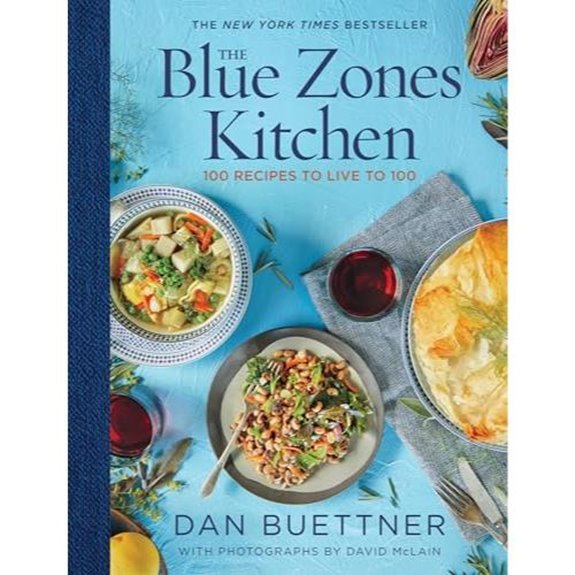 | Best Longevity-Inspired | Hardcover: Hardcover | Recipe Count (High): 100 recipes | Plant-Based Focus: Blue Zone-inspired healthy cooking | VIEW LATEST PRICE | Read Our Analysis |
| Make Your Own: 120+ Plant-Based Oil-Free Recipes | 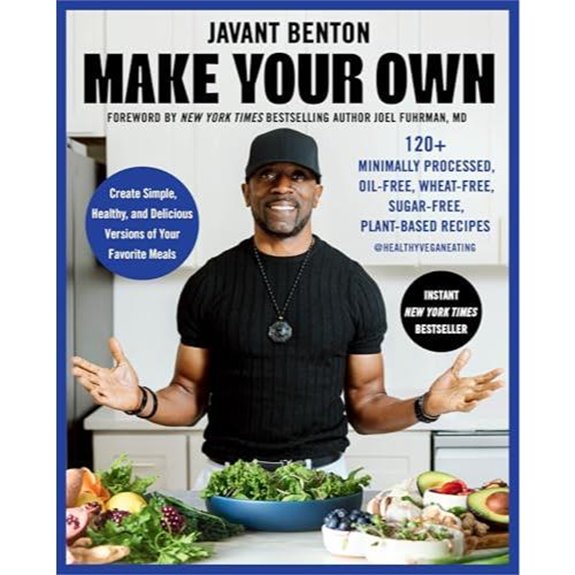 | Best Oil-Free Plant-Based | Hardcover: Hardcover | Recipe Count (High): 120+ recipes | Plant-Based Focus: Plant-based recipes | VIEW LATEST PRICE | Read Our Analysis |
More Details on Our Top Picks
The Blue Zones Kitchen: 100 Recipes to Live to 100
If you’re chasing longevity through food, The Blue Zones Kitchen: 100 Recipes to Live to 100 was made for you. Published Dec 3, 2019 by National Geographic, this hardcover edition brings 100 plant-forward recipes inspired by Blue Zone regions where people often reach 100. You’ll cook with the goal of better health, because the book ties nutritious meals to diet, lifestyle, and everyday cultural habits. The sky/pale blue design feels calm, inviting you to stay consistent. If you want longevity guidance you can actually cook, this collection fits right into your kitchen.
- Hardcover:Hardcover
- Recipe Count (High):100 recipes
- Plant-Based Focus:Blue Zone-inspired healthy cooking
- Health & Longevity:Designed to live to 100
- Lifestyle-Inspired Approach:Cultural practices for longevity
- Whole-Food/Minimally Processed Theme:Nutritious, longevity-focused meals
- Additional Feature:National Geographic brand
- Additional Feature:304-page hardcover
- Additional Feature:100 recipes
Make Your Own: 120+ Plant-Based Oil-Free Recipes
Whip up satisfying meals with Make Your Own: 120+ oil-free plant-based recipes. You’ll find 120+ minimally processed, wheat-free, sugar-free options designed for real home cooking. Use whole foods and natural ingredients to build healthier habits without complicated steps. This Grand Central Publishing hardcover spans 304 pages and was released March 17, 2026, so you can cook right away. You’ll get the flexibility to adapt flavors, because the book encourages creativity and simplicity. If you’re avoiding oil or wheat, this collection still delivers variety, from everyday dinners to satisfying snacks.
- Hardcover:Hardcover
- Recipe Count (High):120+ recipes
- Plant-Based Focus:Plant-based recipes
- Health & Longevity:Promotes healthier eating habits
- Lifestyle-Inspired Approach:Minimally processed, simple cooking philosophy
- Whole-Food/Minimally Processed Theme:Minimally processed ingredients
- Additional Feature:Oil-free, wheat-free
- Additional Feature:Sugar-free, plant-based
- Additional Feature:Published March 17, 2026
Factors to Consider When Choosing a Plant Based Cookbook
When you pick a plant-based cookbook, make sure it matches your dietary restrictions and clearly addresses ingredient processing levels. Look for recipe variety and complexity that fit your skill level, plus flavor-building techniques that don’t rely on shortcuts. Be skeptical of bold health claims—choose books that back them up with credible evidence.
Dietary Restrictions Fit
Before you buy a plant-based cookbook, check whether it actually fits your dietary restrictions—like gluten-free, oil-free, or sugar-free options—so you can cook without constantly tweaking recipes. Look for a wide range of recipes that match common needs, such as wheat-free or allergen-free ingredients, so you get flexibility in meal planning. Also choose books that include nutritional information, since that helps you judge whether meals align with your health goals. Even better, pick cookbooks that emphasize minimally processed ingredients, which often work well for sensitive diets. Finally, read user reviews and endorsements to confirm the recipes truly address dietary concerns and fit your cooking style.
Ingredient Processing Levels
Ingredient processing level matters because it shapes both nutrition and how easy recipes are to fit into a health-focused routine; when you choose a plant-based cookbook that prioritizes minimally processed ingredients, you’re more likely to get nutrient-dense meals with fewer additives and preservatives. When you scan ingredient lists, you should favor whole foods like beans, grains, vegetables, fruit, nuts, and seeds. Cookbooks that emphasize whole foods help you build a balanced diet while cutting back on unnecessary additives and preservatives. Look for labels like “oil-free,” “sugar-free,” or “wheat-free,” since these often rely on whole, unrefined ingredients and can support dietary restrictions. Understanding processing levels also helps you avoid highly processed foods that tend to carry unhealthy fats, added sugars, and artificial additives.
Recipe Variety And Complexity
Recipe variety and complexity determine whether a plant-based cookbook keeps you excited—or leaves you stuck repeating the same few meals. Choose a book that spans cooking techniques and ingredient combinations so you can explore, not default to familiar dishes. Look for a range of skill levels: simpler recipes help you build momentum, while more complex options satisfy experienced cooks who want a challenge. You’ll also benefit when the cookbook includes dietary-friendly variations, like oil-free or gluten-free swaps, so more people can cook from it confidently. Most importantly, match complexity with clear instructions and ingredients you can actually find. A well-rounded mix of prep times—from weeknight staples to special-occasion showpieces—keeps your menu flexible.
Flavor Building Techniques
When you’re choosing a plant-based cookbook, prioritize flavor-building techniques, because they help you turn fresh produce into dishes that taste layered—not bland. Look for guidance on using herbs, spices, and aromatics so you can boost natural tastes with depth and complexity. Choose books that explain roasting vegetables; you’ll learn how caramelization from heat creates richer flavor and better browning. Also, seek umami strategies with mushrooms, nutritional yeast, or fermented foods to add that savory backbone many dishes need. Don’t skip balancing tips: acids like citrus juice and vinegar can brighten everything and sharpen the finish. Finally, pick a cookbook that pushes varied methods—grilling for smoky notes, sautéing for quick flavor development—so textures and aromas stay exciting.
Health Claims And Evidence
Health claims in a plant-based cookbook should come with evidence, not hype. When you’re choosing one, look for authors who back benefits like heart health, weight management, and chronic disease prevention with nutritional research—not just promises. You should also see clear nutritional profiling of key ingredients, so you understand how each recipe supports your overall well-being. Check whether the book includes testimonials or case studies from real people who adopted a plant-based diet and improved outcomes; that credibility matters. Next, confirm it references reputable studies or guidelines from major health organizations that advocate plant-forward eating. Finally, prioritize cookbooks with endorsements from qualified nutritionists or dietitians, since expert review strengthens the claims.
Cooking Guidance And Resources
Once you’ve checked that a plant-based cookbook supports health claims with credible evidence, focus next on how the book helps you cook confidently day to day. Choose titles that offer clear, step-by-step instructions so beginners can succeed quickly. Look for nutritional information on key ingredients to understand the real health benefits you’re getting. Make sure the recipe lineup fits your needs, with options for oil-free, sugar-free, or gluten-free diets. You’ll also want practical guidance: tips for ingredient substitutions, plus reliable cooking techniques that improve over time. Finally, prioritize whole, minimally processed foods, because that approach supports healthier eating and more sustainable kitchen habits. These factors make your cookbook genuinely usable, not just inspirational.
Common Questions
Are These Cookbooks Suitable for Beginners With Minimal Cooking Experience?
Yes, most of these plant-based cookbooks work well for beginners with minimal cooking experience. You’ll usually find simple recipes, clear ingredient lists, and step-by-step instructions. Start with pages labeled “quick,” “easy,” or “starter,” and follow cooking times closely. If you’re unsure, use the substitution notes and basic technique sections. You’ll also benefit from a short prep guide and common equipment tips.
Do the Recipes Include Meal-Prep or Batch-Cooking Guidance?
Yes—many of these plant-based cookbooks include meal-prep and batch-cooking guidance. You’ll find sections that suggest cooking larger portions of grains, legumes, and roasted vegetables, then mixing and matching them across several meals. Look for tips on storing components, reheating safely, and freezing sauces or soups. Some recipes also scale easily, so you can double or triple servings without guesswork and save time midweek.
Are There Options for Gluten-Free, Soy-Free, or Nut-Free Diets?
Yes—many plant-based cookbooks offer options for gluten-free, soy-free, or nut-free diets. You should look for labels like “gluten-free” or “soy-free,” plus recipe notes for substitutions. For gluten, you can swap wheat pasta for rice, quinoa, or gluten-free grains. For soy, you can use coconut aminos or chickpea-based sauces instead of tofu. For nut-free needs, you can replace nut butters with seed spreads.
How Much Cooking Equipment Is Required for Most Recipes?
Most plant-based recipes require modest equipment: a chef’s knife, cutting board, sheet pan or roasting pan, and a medium saucepan or skillet cover the basics. You’ll also want a mixing bowl and measuring cups/spoons. Many recipes add a blender or food processor for sauces, smoothies, or creamy dips, but you can often blend in stages. An Instant Pot or slow cooker helps, yet it isn’t required.
Can I Find Ingredient Substitutions for Hard-To-Find Items?
Yes—you can find ingredient substitutions for hard-to-find items. Start by checking the recipe’s purpose for that ingredient (flavor, texture, moisture). Then swap with common pantry options: use lemon or vinegar for acidity, soy sauce or tamari for umami, and nutritional yeast for cheesy notes. For missing fats, use olive oil or coconut oil. If you tell me the item, I’ll suggest the closest match and amounts.
Overall
If you want to eat for the long haul, pick a cookbook that feels like a friendly guide, not a chore. *The Blue Zones Kitchen* helps you settle into longevity-style meals you’ll actually make. *Make Your Own* makes oil-free cooking less intimidating with practical, plant-based recipes. Either way, you’ll benefit from less-processed ingredients, smart flavor tricks, and clear steps—so your kitchen becomes your most comforting place.